Öne çıkan

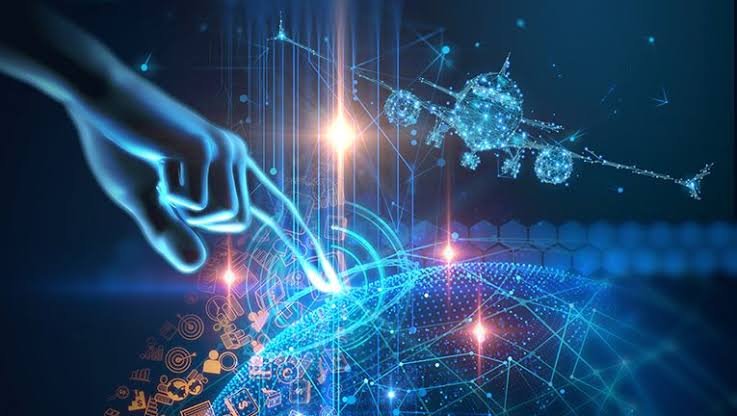
Pilotsuz uçaklar yolda, peki siz bunlara biner misiniz?

Uçakların büyük çoğunluğunda otomatik pilot özelliği mevcut. Aynı zamanda drone teknolojisi de giderek gelişiyor. Bu iki unsuru birleştirdiğinizde, pilotsuz yolcu uçağı fikri çok da uzak görünmüyor. Aslında havacılık devi Airbus, birkaç yıldır bu fikir üzerinde çalışmalar yapıyor?

Geçtiğimiz hafta sonu Almanya’nın Münih şehrinde düzenlenen Dijital Hayat ve Tasarım konferansında konuşan Airbus sorumlu teknik başkanı Grazia Vittadini, şirketinin yapay zekânın yakında yeteri kadar gelişerek tamamen kendi kendini kontrol eden uçaklara geçişi mümkün hâle getirmesini umduğunu kaydetti. Vittadini, konferansta yaptığı konuşmada “Pilotları sıradan rutinlerden kurtarmak için araştırdığımız şey, yapay zeka.” dedi.

Çoğu büyük uçak iki pilotla idare ediliyor. Airbus, bir pilotu bilgisayar sistemleriyle değiştirmeyi, daha sonra da tamamen bilgisayara bağlı, otonom uçuşlara kapı açmayı umuyor.

Pilotsuz uçağın avantajları ne?

Pilotsuz uçakların havayolu şirketlerine büyük avantaj sağlayacağı açık bir gerçek. Öncelikle pilotların maliyeti düşecektir. Yatırım bankası UBS tarafından 2017’e yayınlanan bir raporda, sektörün yılda 30 milyar dolardan fazla parayı pilotlara harcadığı belirtiliyor. Ayrıca raporda, otonom uçaklar sayesinde önemli ölçüde yakıt tasarrufunun sağlanabileceği belirtiliyor. Çünkü uçaklar daha verimli bir yolla kontrol edilecekler.

Kendi kendini idare eden uçaklar giderek artan pilot sıkıntısına da bir çözüm getirecektir. Birçok şirket yeni pilotları istihdam etmekte giderek daha fazla zorlanıyor. Business Insider‘ın 2018’de yayınladığı araştırma dosyasına göre, bunların nedenleri arasında ticari pilolar için gerekli olan uçuş saatlerindeki artış, giderek yaşlanan pilot iş gücü, ordudan daha az sayıda yeni pilotun gelmesi ve pilotluk kariyerine olan ilginin azalması da bulunuyor.

UBS, askeri drone’ları uzaktan kontrol etmeyi sağlayan teknolojinin hâli hazırda mevcut olduğunu ve bu teknolojinin küçük ile orta ölçekte iş jetlerini ve en sonunda da ticari uçakları kontrol etmek için kullanılabileceğini dile getirdi.

Ancak Vittadini, hafta sonu Münih’teki etkinlikte, pilotsuz uçağa gidiş yolunda önlerinde duran en büyük engelin, idari kuruluşları ve yetkilileri bu teknolojinin hazır olduğuna ikna etmek olduğunu söyledi. Yönetici, “Yapay zekanın açıklanabilirliği, ürünlerin sertifikalandırılması söz konusu olduğunda bizim için gerçek bir zorluktur.” sözünü kullandı.

Bir başka engel, belki de en büyüğü, yolcuları pilotsuz uçağın iyi bir fikir olup olmadığına ikna etmek olacaktır. UBS’in araştırması, 8 bin katılımcının yüzde 54’ünün pilotsuz uçağa binmeyi reddeceğini gösteriyor. Uçuşun fiyatı pilotlu uçuşun fiyatından ucuz olsa bile durum değişmiyor. Sadece yüzde 17’lik bir kısım pilotsuz uçağa güle oynaya bineceğini dile getiriyor.

Görünüşe göre, yolcu uçaklarından önce kargo uçaklarında pilotsuz döneme geçilecek. Teknoloji geliştikçe ve otonom uçuş sayısı arttıkça Airbus, kamuoyunun bu fikre ısınacağını ve tamamen bilgisayarlarla kontrol edilen uçuşların başlayabileceğini öngörüyor.

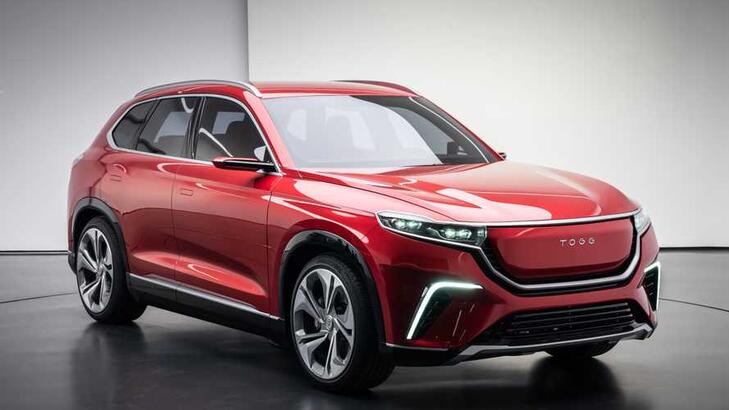
Yerli araç ve konuşulmayanlar

Yerli otomotivde bi çok şey konuşuldu ama bazı konular da geçiştirildi.

Ama açıklanmayan ve konuşulmayan bu konuların da çok önemli olduğunu düşünüyorum.

Bu konuşulmayan konuları bilimi kullanarak açıklayalım…

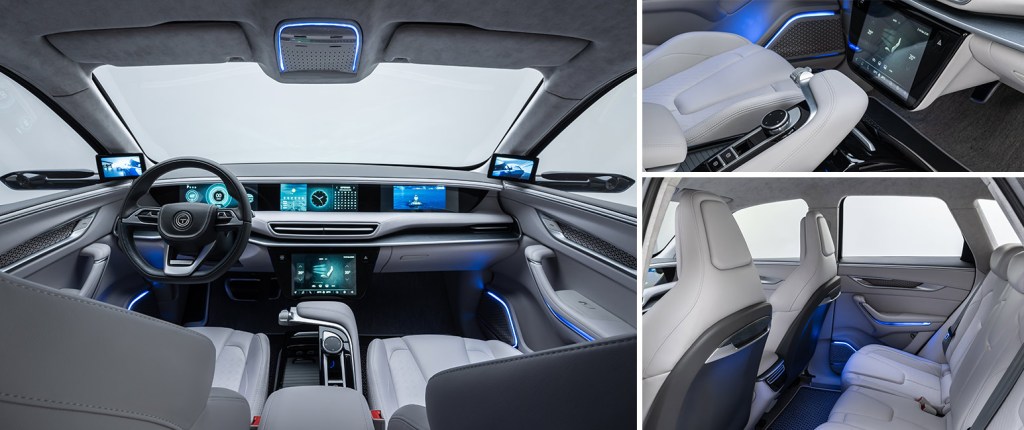
Yerli otomobilin teknik özelliklerini incelediğimizde aşağıda yazılı detaylara ulaşıyoruz.

Yerli otomobilde, gelişmiş batarya yönetim ve aktif termal yönetim sistemlerinin sağladığı uzun ömürlü batarya paketi mevcut. Otomobilde, 200 beygir güç ile 7.6 saniye, 400 beygir güç ile 4.8 saniye altında 0–100 km/s hızlanma kapasitesi bulunuyor.

Burada önemli olan 200 beygir güç.

Bizler şu anda 1,6 motor dediğimiz Toyota ve Honda’nın 125 beygir güç ürettiğini düşünürsek bu yerli otomobildeki 200 beygir rakamı yaklaşık 2000 cc arabaların gücüne denk diye de düşünebiliriz.

Ama yine de Hesaplayalım. 1 beygir gücü yaklaşık 0,75 kW güç demektir.

100 beygir de 75 kW ve 200 beygir de yaklaşık 150 kW demektir.( sedan otomotivin 200 beygir gücünde olacağı söylenmektedir.)

Yerli otomotivin 400 hp yani beygir gücü var dendiğinde bu 300 kilovatlık bir güç sistemi demektir. 300 kW güç üreten bir akü ve bu elektrik enerjisini de hareket enerjisine çevirecek bir elektrik motoru demektir.

Buraya kadar güçlerin birbiri cinsinden ifadelerini gördük…

300 kW ( kilovat ) gücü bir anda itme gücüne çevirecek bir motor ve akü gücünün kullanılacağı sistemlerde bu gücü üretmek için ne kadar akım şiddeti gerekir? Daha anlaşılır olsun diye tarif etmek istersek bu motor benzinli bir motor olsa idi kaç cc lik motor ne kadarlık benzin sarfiyatı ile bu 300 kW yı üretirdi onu açıklayacağız.

Dakikada kullandığı yakıt yerine 100 km kullandığı yakıt miktarı gibi veya saatte harcadığı yakıt miktarı gibi sabitlerle anlatmaya çalışacağız.

300 kW bir jeneratör olsaydı bu jeneratör ortalama olarak saatte 50 litre yakıt harcardı. Önce bunu bir kenara yazıp koyalım.

Elektrikli araçların akülerini Evde şarj edebileceğimiz sistemler nispeten küçük akımla şarj sistemleridir. Seviye 1 şarj diye adlandırılır ve en fazla 5 kW veya 5–20 Amper akım ile 220 volt kullanılarak aracınızı 5–10 saat süre sonunda tam olarak şarj eder. AVM lerde veya parklarda bulunan seviye 2 şarj dediğimiz sistemler de 5–15 kw şarj işlemini maksimum 20–80 Amper ile yapar. (Evlerimizdeki elektrikli aletler için kullanılan sigortalar maksimum 25 amperliktir.) 80 Amper çok güçlü bir akımdır. Çok kalın kablo ve koruma sistemlerini de beraberinde getirir.

Seviye 3 şarj işlemleri de hızlı şarj işlemi diye adlandırılır. Alternatif akım AC veya doğru akım DC şarj işlemini hızlıca yapar. Bu sistemler de 85 amper ve 200 Amper ve üzeri akımlarla çalışır ve fanlarla soğutmalı sistemleri ifade eder…

En hızlı şarjları bu sistemler yapar…. Arabanızın Aküsü 50–80 Amper / saat güçlerindeki akülerdir.

Evinizde şarj yapacak olursanız bu araçları akünün boş dolu olması durumuna göre min. 8–10 saatte doldurulabilirsiniz. 300 KW da evinizde kullandığınız ortalama 1 aylık elektrik enerjisi miktarı demektir.

Aylık 100 kW harcayan bir abone de yaklaşık olarak 71,02 TL ödeyecektir. Biz 300 kW lık akümüzü evde şarj ettiğinizi ve evimizde tek zamanlı bir elektrik hattımızın olduğunu düşünerek şarj maliyeti =213,07 TL bulunur. Bu hesap ile evimizde 500 km gidecek aracımızı 1 tam şarj yaptığımızda 213,07 TL öderiz. Aylık 1000 km aylık yol yaptığımız araçla da akülerimizi 2 tam şarj yaparak yaklaşık aylık yakıt masrafımız 426,14 TL olur.

Bu bize SUV aracımızın 1 kilometrede yaklaşık 426,14 kuruş harcadığımızı belirtir.

Aynı aracımızın sedan otomobil olduğunu düşünür ve 200 hp beygir gücünde olduğunu varsayarsak da 150 kW lık akülerimizi 1 tam şarj ile doldurduğumuzda yaklaşık 300 km gideriz. 1000 km yol yapmak için bu aracımızı da 3,3 defa tam şarj yapmamız gerekir. 150 kW lık akülerimizi 3,3 defa şarj ettiğimizde de yaklaşık 500 kW lık evimizde elektrik enerjisi harcarız. Bu şarj ile de 1 aylık süre içinde 1000 km gideriz ve ortalama sedan ile de 355,11 TL elektrik masrafımız olur. Bu da kilometre de sedan ile 355,11 kuruş harcıyoruz demektir.

Bu hesaplara akülerin kaç yılda bir değişeceği, otomobillerin ne kadar kilometrede bakıma gireceği ve bakım masrafları dahil değildir. Yalın yani şarj ettiğimiz elektriğin maliyeti dahil ama diğer araç akü vb gibi bakım masrafları hariçtir. (Sedan araç Suv bir araçtan bu gün için 70 kuruş daha az yakıt maliyetine sahiptir.)

Elektrik maliyet hesaplamaları 2020 Ocak ayı içindir. Zamlara veya indirimlere göre de bu hesap artabilir veya azalabilir.

355 TL lik bir yakıt ortalama benzinli bir araç için de 50 litre benzin demektir. (Benzin 1 lt 7.08 TL)

Dizel yakıt kullanan bir araç için de bu durum yaklaşık 54 litre dizele denk gelir. (dizel 1 lt 6.57 TL)

Yıllık 15.000 km yapan bir vatandaş her 1000 km de 50 litre dizel maliyeti ile yılda 334 * 15 = 5010 TL yıllık maliyet ile bu kilometreyi yapabilir.

Yıllık 15.000 km yapan bir vatandaş her 1000 km de 355 TL şarj maliyeti ile yılda 355 * 15 = 5368 TL yıllık maliyet ile bu kilometreyi yapabilir.

Yıllık 15.000 km yapan bir vatandaş her 1000 km de 370 TL LPG maliyeti ile yılda 370 * 15 = 5550 TL yıllık maliyet ile bu kilometreyi yapabilir.

Yıllık 15.000 km yapan bir vatandaş her 1000 km de 700 TL Benzin maliyeti ile yılda 700 * 15 = 10500 TL yıllık maliyet ile bu kilometreyi yapabilir.

SUV bir otomobilin 300 kW lık bir akü sistemini Hızlı şarj yapabilmeniz için mutlaka arabanızın yarısı büyüklüğünde bir AC veya DC şarj yapan tam soğutmalı ve yüksek akım korumalı bir şarj sistemine ihtiyacınız vardır…bunun maliyeti hesaplanmamıştır. Araç akülerinizi dışarda doldurduğunuzda bunlara ilave işletme maliyetleri ve kdv ilave edilecektir. Bu masraflar da hesaplanmamıştır.

Evinizde veya işyerinizde size 300–500 km gidebilmeniz için ayrıca 5–10 saatlik bir şarj süresi gerekmektedir.

Sistemin akü ve beygir gücünün yükselmesi uzun yol için iyi ama şarj usulleri ve zamanı açısından çok külfetlidir.

Yapılamaz değildir ama birey olarak çok yüksek maliyetlidir…

Toyota veya Honda LPG li bir aracınız varsa da 350 TL ye LPG satın alarak da ayda 1000 km yol gidersiniz…

Sonuç:

Elektrikli araçların şu an için taslak olması ve akülerinin elektrik motorlarının MTBF yani Mean Time Between failures ( iki arıza arasındaki zaman ) bilinmemesi konunun özünü teşkil eder. Akülerin değişim maliyeti kesin olarak belli değildir.

Eğer LPG li veya dizel bir aracınız varsa da çok şey kaybetmezsiniz. Mobilite, zaman veya mekan değişikliği sizin için önemli ise şarj istasyonuna bağlı olmamanız ilave ve önemli bir avantaj olarak karşımıza çıkacaktır. Şarj istasyonu veya hızlı şarj arama mecburiyetiniz de yoktur.

Elektrikli bir aracınız var ama Hızlı şarj özelliğiniz yoksa da gittiğiniz yerde bir şarj istasyonu bulmanız veya benzin istasyonlarında artı maliyetler ile bu sorununuzu çözmeniz gerekmektedir…

Umarım bu yerli arabayı bekleyenler beklediklerinin karşılığını alabilirler. Yoksa her an aracı kullanabilmeleri için bir de hızlı şarj istasyonunu ek maliyetlerle evlerine kurmaları gerekmektedir…

Bu durum ayrıca da kişisel garajların mecburiyetini ve maliyetlerini ilave olarak getirecektir.

Veya arabalarında hızlı şarj cihazlarını ayrı bir römork ile taşımaları veya küçük birer jeneratör bulundurup ihtiyaç duyduklarında bu jeneratörü çalıştırmaları gerekecektir.

Doğal gaz santrallerinden elektrik ürettiğimiz ülkemizde doğal gaz veya Hidrojenden elektrik üretimi teknikleri mutlaka göz önüne alınmalı ve yerli araca eklenmesi usulleri değerlendirilmelidir.

Kendi evinizde güneş enerjisi sistemleriniz var ise bu sistemleri kullananlar için bu araç çok avantajlı ve verimli olacaktır.

Elektriği ne kadar ucuza ve bol üretebilirsek bu araç da karbon salınımı olmaması nedeniyle rakiplerine karşı çok ama çok daha çevreci ve olacaktır.

MY

Uzay interneti geliyor….

SpaceX, 60 internet uydusunu daha yörüngeye gönderdi 

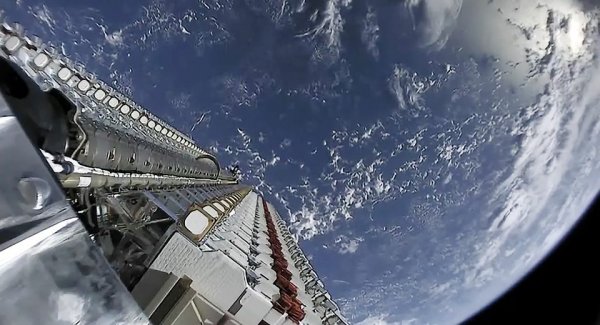
SpaceX, küresel bir uydu internet ağı oluşturmak için başlattığı Starlink projesine 60 uydu daha kattı. 

Ensonhaber.comAA08.01.2020 11:00

Elon Musk‘ın sahibi olduğu SpaceX şirketi, dünyanın ulaşılamayan her noktasına internet götürme projesi kapsamında geçtiğimiz aylarda, 120 adet Starlink internet uydusunu uzaya fırlatmıştı.

Şirket, her sene yeni Starlink uyduları fırlatarak Dünya yörüngesinde internet ağı kuracak ve buradan Dünya’ya internet erişimi sağlayacak.

60 UYDU DAHA FIRLATILDI

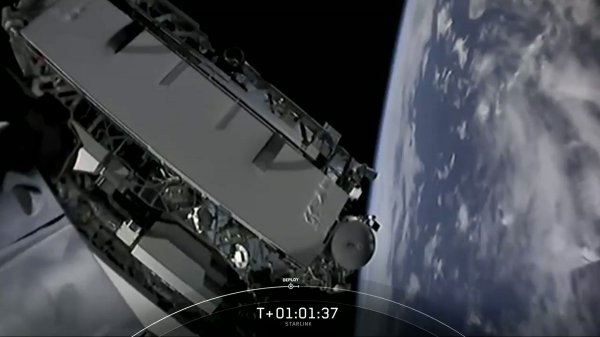
SpaceX, dün sabah saatlerinde düzenlediği fırlatma görevinde, yeniden kullanılabilir Falcon 9 roketiyle 60 adet Starlink uydusunu daha uzaya gönderdi.

Yeniden kullanılabilir Falcon 9 roketi ise, başarılı bir şekilde Dünya’ya iniş gerçekleştirdi.

SpaceX, 60 internet uydusunu daha yörüngeye gönderdi ViDEO

180 UYDULUK FİLO

Son teslimatla SpaceX’in yörüngedeki uydu sayısı 180’i bulurken, şirket yörüngede en büyük uydu filosuna sahip oldu.

s

BU YIL ABD’DE HİZMETE AÇILMASI PLANLANIYOR

SpaceX Başkanı Gwynne Shotwell, geçtiğimiz aylarda yaptığı açıklamada, Starlink uydu internet hizmetinin 2020 yılının ortalarında ABD’de kullanıma sunulacağını belirtti.

Bu tarihe kadar 6 ya da 8 adet daha Starlink fırlatma lansmanı gerçekleştireceklerini açıklayan Shotwell, o tarihe kadar toplamda kaç adet Starlink uydusunun yörüngede olacağını ise belirtmedi.

starllink

42 BİN STARLINK UYDUSU FIRLATILACAK

SpaceX, toplamda 42 bin Statlink uydusunu önümüzdeki yıllarda uzaya fırlatmayı düşünüyor. Şu ana kadar toplamda 3 fırlatmada 180 adet uydu gönderen şirket, kademeli olarak bu sayıyı daha da artırarak, bütün dünyaya uydudan internet bağlantısı sağlamayı planlıyor.

SpaceX şirketinden yapılan açıklamaya göre, bu projenin tamamı 10 milyar dolara mal olacak.

Eğer Starlink projesi başarılı bir şekilde hayata geçirilirse, dünyanın en ıssız noktasına bile şu ankinden 40 kat daha hızlı internet hizmeti sağlanacak.

Yapay Zeka nedir?

Yapay Zeka nedir?

Bu konuyu incelemek istedim.
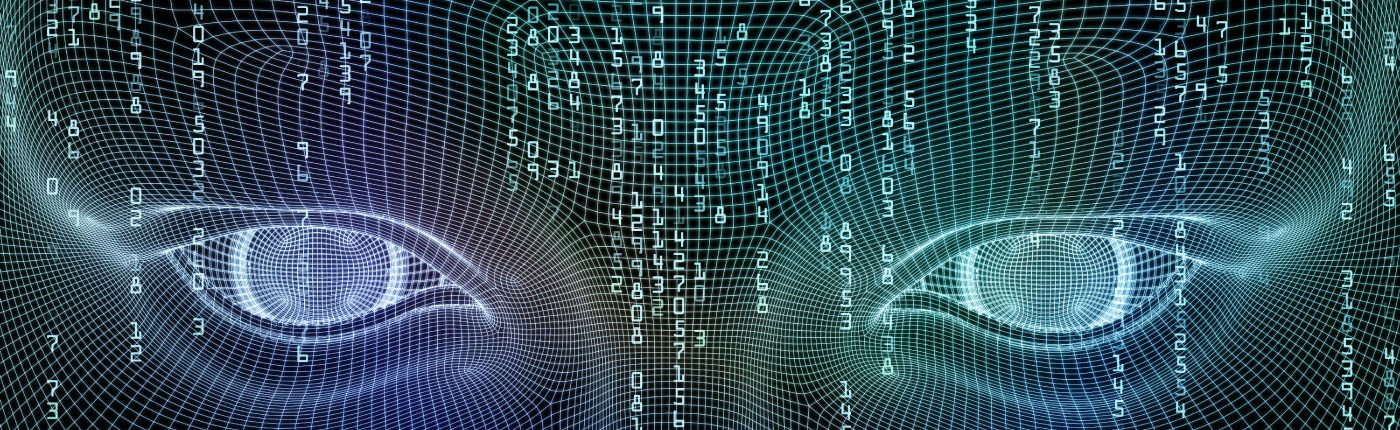
Günümüzde yapay zeka kısaca yaptığımız işlerin otomatik makinalar ve yazılımlar aracılığı ile kontrolü ve koordinasyonu demektir.
Açıklayalım…
Arabanıza bindiniz. Anahtarı çevirdiniz.
Araba anahtardaki çip ile uyum sağladı…
Motor çalıştı vitese müdahale ettiniz ve ileri geri arabanızı hareket ettirdiniz.
Gitmek ve ulaşmak istediğiniz yere gittiniz.

Kildin içindeki kodlar motorun çalışma düzeni, benzin akışı, yakıt hava karışım oranı ve istenilen hız tüm bunlar daha önce bilinen ve milyonlarca kez de denenmiş olayların bir bilinen hallerinin yine aynı olup olmadığına tekrarının gerçekleşip gerçekleşmediğine yazılımlar ile karar verilmesine yapay zeka denir.

Santranç oynayan bilgisayarlar, Uçakların uçuş rotalarını takip eden otomatik pilotlar, Gemilerin seyrüsefer sistemleri hepsi birer yapay zekadır.

Kısaca yapay zeka önceden denediğimiz yaşadığımız tecrübe ettiğimiz birbirinin aynısını binlerce aynı olayın tekrarının bilgisayarlar ve yazılımlar aracılığı ile yeniden ve binlerce kez kontrolü ve uygunluğunun sağlanması demektir.

Tıpkı gömleğinizi giymek gibi. Bir kolunuzu içine sokarsınız sonra da öbürünü ve başlarsınız düğmelerini iliklemeye.
Baktınız bir delik veya bir düğme yerine oturmadı mı başlarsınız söküp yeniden yapmaya….
işte böyle bir şeydir yapay zeka. Binlerce kez yaptığımız işlerin zaman, yer ve ürün çeşidi ayrımı yapmadan standart olup olmadığı anlamına gelir.
Bir çok kişi bir çok zaman da her yerde gömlek giyme işini aynı şekilde defalarca da yapmıştır.

Yapay zeka yaşam tecrübe ve sabitlerimizin makinalar tarafından yazılımsal lbir kontrol sürecidir aslında.
Gerçek yaşamda da öyle değil midir?
Her yaptığımız işi bir önceki tecrübelerimizden yola çıkarak çözmeye çalışırız. Yaşadığımız önceki tecrübelerimiz bu konuda bize yol göstericii olur…

Yapay zeka yaşanan binlerce bu tecrübeden faydalanılarak alışık olmadığımız yeni süreçler hakkında da bize yol gösterici olur.

Rüzgar hızını takip eden bir sistem olası fırtınalarda rüzgarın şiddet ve yönüne göre ilgili bölgelere uyarı ve ikaz gönderebilir. Aynı durum deprem veya trafik gibi durumlar için de geçerlidir.

Yapay zeka proğramı içinde tanımlanan bir çok değişkenin durumuna göre muhtemel olasılıkları belirler aslında. Olmaması kesin durumları eler ve sadece gerçekleşebilecek durumlar kalır.
Bu duruma göre de uygun hareket tarzlarını öne çıkarır. Biz insanoğlunun beyninin çalışma prensibini kullanır. Hava durumu 3 saat sonra yağmurlu gösteriyorsa ve 3 saat sonra dışarı çıkacaksanız şemsiyenizi ve yapmurluğunuzu almanızı söyler size.

Tanımlanan değişkenlerin olası değilim yönleri bize olasılıkları söyler aslında.

Bu değişkenlerin yanlış ve hatalı tanımlanması da işte bize yapay zekanın yanlış yorumlar yapmasını ve sonuçlar üretmezini sağlar.

Hamama giren terler gibi genellemeler de aalında yapay zekanın temel taşlarıdır.

Sonuç yapay zeka aslında milyonlarca yaşadığımız olayların tecrübelerin sayısız defa değişkenlerinin kontrol edilmesidir. Uygun sonuç üretilmesi için hissedicilerden alınan değerlerin işlenerek o anki değerlerin, olası standart değerler içinde bulunulup bulunulmadığını belirleme sürecidir. Standart değerlere ulaşmak ve uygun değerlere dönülmesi için yine yine bu değişkenlere bilinen matematiksel formüller içinde müdahale anlamını da taşır.

Sonuç
Yapay zeka Sonuçta elde edilen tecrübeler ve olası çözümleri çoğaltabildiğiniz oranda size yardımcı olur…
Burda yine en önemli konu bu yazılımlara ulaşılabilir olmanız sizin bu yazılımları değiştirebileceğiniz ve kendi tecrübe ve hassasiyetlerinizi bu yapay zeka programlarına ekleyebileceğinizdir.

İşte her türlü yazılımda kaynak kodu açık yazılım size bu değişim imkanını sağlar. Yoksa tüm yazılımı yeni baştan tek tek ve satır satır siz yazmak ve denemek zorunda kalırsınız.

Yeni dönemde öğrenebilen ve kendini geliştirebilen yeni yazılımlar ile de yapay zekaya sahip makinalara kendi kendilerini geliştirme özellikleri eklenmiştir.

BENEFITS & RISKS OF ARTIFICIAL INTELLIGENCE

BENEFITS & RISKS OF ARTIFICIAL INTELLIGENCE

Max Tegmark, President of the Future of Life Institute

WHAT IS AI?

Everything we love about civilization is a product of intelligence, so amplifying our human intelligence with artificial intelligence has the potential of helping civilization flourish like never before – as long as we manage to keep the technology beneficial.

From SIRI to self-driving cars, artificial intelligence (AI) is progressing rapidly. While science fiction often portrays AI as robots with human-like characteristics, AI can encompass anything from Google’s search algorithms to IBM’s Watson to autonomous weapons.

Artificial intelligence today is properly known as narrow AI (or weak AI), in that it is designed to perform a narrow task (e.g. only facial recognition or only internet searches or only driving a car). However, the long-term goal of many researchers is to create general AI (AGI or strong AI). While narrow AI may outperform humans at whatever its specific task is, like playing chess or solving equations, AGI would outperform humans at nearly every cognitive task.

WHY RESEARCH AI SAFETY?

In the near term, the goal of keeping AI’s impact on society beneficial motivates research in many areas, from economics and law to technical topics such as verification, validity, security and control. Whereas it may be little more than a minor nuisance if your laptop crashes or gets hacked, it becomes all the more important that an AI system does what you want it to do if it controls your car, your airplane, your pacemaker, your automated trading system or your power grid. Another short-term challenge is preventing a devastating arms race in lethal autonomous weapons.

In the long term, an important question is what will happen if the quest for strong AI succeeds and an AI system becomes better than humans at all cognitive tasks. As pointed out by I.J. Good in 1965, designing smarter AI systems is itself a cognitive task. Such a system could potentially undergo recursive self-improvement, triggering an intelligence explosion leaving human intellect far behind. By inventing revolutionary new technologies, such a superintelligence might help us eradicate war, disease, and poverty, and so the creation of strong AI might be the biggest event in human history. Some experts have expressed concern, though, that it might also be the last, unless we learn to align the goals of the AI with ours before it becomes superintelligent.

There are some who question whether strong AI will ever be achieved, and others who insist that the creation of superintelligent AI is guaranteed to be beneficial. At FLI we recognize both of these possibilities, but also recognize the potential for an artificial intelligence system to intentionally or unintentionally cause great harm. We believe research today will help us better prepare for and prevent such potentially negative consequences in the future, thus enjoying the benefits of AI while avoiding pitfalls.

HOW CAN AI BE DANGEROUS?

Most researchers agree that a superintelligent AI is unlikely to exhibit human emotions like love or hate, and that there is no reason to expect AI to become intentionally benevolent or malevolent. Instead, when considering how AI might become a risk, experts think two scenarios most likely:

  1. The AI is programmed to do something devastating: Autonomous weapons are artificial intelligence systems that are programmed to kill. In the hands of the wrong person, these weapons could easily cause mass casualties. Moreover, an AI arms race could inadvertently lead to an AI war that also results in mass casualties. To avoid being thwarted by the enemy, these weapons would be designed to be extremely difficult to simply “turn off,” so humans could plausibly lose control of such a situation. This risk is one that’s present even with narrow AI, but grows as levels of AI intelligence and autonomy increase.
  2. The AI is programmed to do something beneficial, but it develops a destructive method for achieving its goal: This can happen whenever we fail to fully align the AI’s goals with ours, which is strikingly difficult. If you ask an obedient intelligent car to take you to the airport as fast as possible, it might get you there chased by helicopters and covered in vomit, doing not what you wanted but literally what you asked for. If a superintelligent system is tasked with a ambitious geoengineering project, it might wreak havoc with our ecosystem as a side effect, and view human attempts to stop it as a threat to be met.

As these examples illustrate, the concern about advanced AI isn’t malevolence but competence. A super-intelligent AI will be extremely good at accomplishing its goals, and if those goals aren’t aligned with ours, we have a problem. You’re probably not an evil ant-hater who steps on ants out of malice, but if you’re in charge of a hydroelectric green energy project and there’s an anthill in the region to be flooded, too bad for the ants. A key goal of AI safety research is to never place humanity in the position of those ants.

WHY THE RECENT INTEREST IN AI SAFETY

Stephen Hawking, Elon Musk, Steve Wozniak, Bill Gates, and many other big names in science and technology have recently expressed concern in the media and via open letters about the risks posed by AI, joined by many leading AI researchers. Why is the subject suddenly in the headlines?

The idea that the quest for strong AI would ultimately succeed was long thought of as science fiction, centuries or more away. However, thanks to recent breakthroughs, many AI milestones, which experts viewed as decades away merely five years ago, have now been reached, making many experts take seriously the possibility of superintelligence in our lifetime. While some experts still guess that human-level AI is centuries away, most AI researches at the 2015 Puerto Rico Conference guessed that it would happen before 2060. Since it may take decades to complete the required safety research, it is prudent to start it now.

Because AI has the potential to become more intelligent than any human, we have no surefire way of predicting how it will behave. We can’t use past technological developments as much of a basis because we’ve never created anything that has the ability to, wittingly or unwittingly, outsmart us. The best example of what we could face may be our own evolution. People now control the planet, not because we’re the strongest, fastest or biggest, but because we’re the smartest. If we’re no longer the smartest, are we assured to remain in control?

FLI’s position is that our civilization will flourish as long as we win the race between the growing power of technology and the wisdom with which we manage it. In the case of AI technology, FLI’s position is that the best way to win that race is not to impede the former, but to accelerate the latter, by supporting AI safety research.

THE TOP MYTHS ABOUT ADVANCED AI

A captivating conversation is taking place about the future of artificial intelligence and what it will/should mean for humanity. There are fascinating controversies where the world’s leading experts disagree, such as: AI’s future impact on the job market; if/when human-level AI will be developed; whether this will lead to an intelligence explosion; and whether this is something we should welcome or fear. But there are also many examples of of boring pseudo-controversies caused by people misunderstanding and talking past each other. To help ourselves focus on the interesting controversies and open questions — and not on the misunderstandings — let’s  clear up some of the most common myths.

AI myths

TIMELINE MYTHS

The first myth regards the timeline: how long will it take until machines greatly supersede human-level intelligence? A common misconception is that we know the answer with great certainty.

One popular myth is that we know we’ll get superhuman AI this century. In fact, history is full of technological over-hyping. Where are those fusion power plants and flying cars we were promised we’d have by now? AI has also been repeatedly over-hyped in the past, even by some of the founders of the field. For example, John McCarthy (who coined the term “artificial intelligence”), Marvin Minsky, Nathaniel Rochester and Claude Shannon wrote this overly optimistic forecast about what could be accomplished during two months with stone-age computers: “We propose that a 2 month, 10 man study of artificial intelligence be carried out during the summer of 1956 at Dartmouth College […] An attempt will be made to find how to make machines use language, form abstractions and concepts, solve kinds of problems now reserved for humans, and improve themselves. We think that a significant advance can be made in one or more of these problems if a carefully selected group of scientists work on it together for a summer.”

On the other hand, a popular counter-myth is that we know we won’t get superhuman AI this century. Researchers have made a wide range of estimates for how far we are from superhuman AI, but we certainly can’t say with great confidence that the probability is zero this century, given the dismal track record of such techno-skeptic predictions. For example, Ernest Rutherford, arguably the greatest nuclear physicist of his time, said in 1933 — less than 24 hours before Szilard’s invention of the nuclear chain reaction — that nuclear energy was “moonshine.” And Astronomer Royal Richard Woolley called interplanetary travel “utter bilge” in 1956. The most extreme form of this myth is that superhuman AI will never arrive because it’s physically impossible. However, physicists know that a brain consists of quarks and electrons arranged to act as a powerful computer, and that there’s no law of physics preventing us from building even more intelligent quark blobs.

There have been a number of surveys asking AI researchers how many years from now they think we’ll have human-level AI with at least 50% probability. All these surveys have the same conclusion: the world’s leading experts disagree, so we simply don’t know. For example, in such a poll of the AI researchers at the 2015 Puerto Rico AI conference, the average (median) answer was by year 2045, but some researchers guessed hundreds of years or more.

There’s also a related myth that people who worry about AI think it’s only a few years away. In fact, most people on record worrying about superhuman AI guess it’s still at least decades away. But they argue that as long as we’re not 100% sure that it won’t happen this century, it’s smart to start safety research now to prepare for the eventuality. Many of the safety problems associated with human-level AI are so hard that they may take decades to solve. So it’s prudent to start researching them now rather than the night before some programmers drinking Red Bull decide to switch one on.

CONTROVERSY MYTHS

Another common misconception is that the only people harboring concerns about AI and advocating AI safety research are luddites who don’t know much about AI. When Stuart Russell, author of the standard AI textbook, mentioned this during his Puerto Rico talk, the audience laughed loudly. A related misconception is that supporting AI safety research is hugely controversial. In fact, to support a modest investment in AI safety research, people don’t need to be convinced that risks are high, merely non-negligible — just as a modest investment in home insurance is justified by a non-negligible probability of the home burning down.

It may be that media have made the AI safety debate seem more controversial than it really is. After all, fear sells, and articles using out-of-context quotes to proclaim imminent doom can generate more clicks than nuanced and balanced ones. As a result, two people who only know about each other’s positions from media quotes are likely to think they disagree more than they really do. For example, a techno-skeptic who only read about Bill Gates’s position in a British tabloid may mistakenly think Gates believes superintelligence to be imminent. Similarly, someone in the beneficial-AI movement who knows nothing about Andrew Ng’s position except his quote about overpopulation on Mars may mistakenly think he doesn’t care about AI safety, whereas in fact, he does. The crux is simply that because Ng’s timeline estimates are longer, he naturally tends to prioritize short-term AI challenges over long-term ones.

MYTHS ABOUT THE RISKS OF SUPERHUMAN AI

Many AI researchers roll their eyes when seeing this headline: “Stephen Hawking warns that rise of robots may be disastrous for mankind.” And as many have lost count of how many similar articles they’ve seen. Typically, these articles are accompanied by an evil-looking robot carrying a weapon, and they suggest we should worry about robots rising up and killing us because they’ve become conscious and/or evil. On a lighter note, such articles are actually rather impressive, because they succinctly summarize the scenario that AI researchers don’t worry about. That scenario combines as many as three separate misconceptions: concern about consciousnessevil, and robots.

If you drive down the road, you have a subjective experience of colors, sounds, etc. But does a self-driving car have a subjective experience? Does it feel like anything at all to be a self-driving car? Although this mystery of consciousness is interesting in its own right, it’s irrelevant to AI risk. If you get struck by a driverless car, it makes no difference to you whether it subjectively feels conscious. In the same way, what will affect us humans is what superintelligent AI does, not how it subjectively feels.

The fear of machines turning evil is another red herring. The real worry isn’t malevolence, but competence. A superintelligent AI is by definition very good at attaining its goals, whatever they may be, so we need to ensure that its goals are aligned with ours. Humans don’t generally hate ants, but we’re more intelligent than they are – so if we want to build a hydroelectric dam and there’s an anthill there, too bad for the ants. The beneficial-AI movement wants to avoid placing humanity in the position of those ants.

The consciousness misconception is related to the myth that machines can’t have goals. Machines can obviously have goals in the narrow sense of exhibiting goal-oriented behavior: the behavior of a heat-seeking missile is most economically explained as a goal to hit a target. If you feel threatened by a machine whose goals are misaligned with yours, then it is precisely its goals in this narrow sense that troubles you, not whether the machine is conscious and experiences a sense of purpose. If that heat-seeking missile were chasing you, you probably wouldn’t exclaim: “I’m not worried, because machines can’t have goals!”

I sympathize with Rodney Brooks and other robotics pioneers who feel unfairly demonized by scaremongering tabloids, because some journalists seem obsessively fixated on robots and adorn many of their articles with evil-looking metal monsters with red shiny eyes. In fact, the main concern of the beneficial-AI movement isn’t with robots but with intelligence itself: specifically, intelligence whose goals are misaligned with ours. To cause us trouble, such misaligned superhuman intelligence needs no robotic body, merely an internet connection – this may enable outsmarting financial markets, out-inventing human researchers, out-manipulating human leaders, and developing weapons we cannot even understand. Even if building robots were physically impossible, a super-intelligent and super-wealthy AI could easily pay or manipulate many humans to unwittingly do its bidding.

The robot misconception is related to the myth that machines can’t control humans. Intelligence enables control: humans control tigers not because we are stronger, but because we are smarter. This means that if we cede our position as smartest on our planet, it’s possible that we might also cede control.

THE INTERESTING CONTROVERSIES

Not wasting time on the above-mentioned misconceptions lets us focus on true and interesting controversies where even the experts disagree. What sort of future do you want? Should we develop lethal autonomous weapons? What would you like to happen with job automation? What career advice would you give today’s kids? Do you prefer new jobs replacing the old ones, or a jobless society where everyone enjoys a life of leisure and machine-produced wealth? Further down the road, would you like us to create superintelligent life and spread it through our cosmos? Will we control intelligent machines or will they control us? Will intelligent machines replace us, coexist with us, or merge with us? What will it mean to be human in the age of artificial intelligence? What would you like it to mean, and how can we make the future be that way? Please join the conversation!

RECOMMENDED REFERENCES

Videos

Media Articles

Essays by AI Researchers

Research Articles

Research Collections

Case Studies

Blog posts and talks

Books

Organizations

Many of the organizations listed on this page and their descriptions are from a list compiled by the Global Catastrophic Risk institute; we are most grateful for the efforts that they have put into compiling it. These organizations above all work on computer technology issues, though many cover other topics as well. This list is undoubtedly incomplete; please contact us to suggest additions or corrections.

Lösemi ve lenfoma için yeni ilaç geliştirildi

Lösemi ve lenfoma için yeni ilaç geliştirildi

Yeni nesil ilaç PROTACs olarak adlandırılmakla birlikte yeni ilacın; kanserli hücreler bulunan ve kanserli hücrelerin hayatta kalması için gerekli olan BCL-XL adlı proteine saldırdığı belirtiliyor.

UT Healty San Antonio kurumu ile University of Florida kurumunun iş birliği sonucunda; yetişkinlerde ve çocuklarda görülen lösemi ve lenfoma ile mücadele edebilecek, yeni nesil ilaçlar geliştirildi.

Yeni nesil ilaç PROTACs olarak adlandırılmakla birlikte yeni ilacın; kanserli hücreler bulunan ve kanserli hücrelerin hayatta kalması için gerekli olan BCLXL adlı proteine saldırdığı belirtiliyor. Ayrıca araştırmacılar önceki ilaçların da aynı proteine saldırdığını ancak bu durum sonucunda organizmadaki platelet sayısının azaldığını, bu durumun da oldukça tehlikeli olabilecek kanama komplikasyonlarına yol açtığını vurguluyor. Yeni nesil ilaç ise bahsi geçen riski belirgin bir biçimde azaltıyor.

PROTAC

PROTAC adlı ilacın hücre ilişkili maligniteler yani akut T hücreli lösemi ile T hücreli lenfoma üzerinde etkili olacağını belirtiyor.

T hücreleri, insan vücudun timus adı verilen salgı bezinde üretiliyor ve hücrelerinin organizmanın immün yanıtı için kilit rolü bulunuyor. Bu hücreler malignite kazandığı zaman hayatta kalmak için BCL-XL adlı proteine ihtiyaç duyuyor.

Yeni geliştirilen ilacın gelecekteki kanser tedavilerinde başarı göstereceği düşünülüyor.

Ayrıca BakınızAstım teşhisi için holografik mikroskop geliştirildi

Araştırmanın bulguları Nature Medicine dergisinde yayımlandı.

Kaynak:

Yapay Zeka ve Matematik

Microsoft Math Solver, yapay zekâ ile matematik problemleri çözüyor 

Microsoft Math Solver adındaki mobil uygulama kameraya okuttuğunuz bir problemi yapay zekâ kullanarak çözebiliyor. Ayrıca detaylı video ve grafikler de sunuyor.

Özellikle mobil uygulama dünyasının gelişmesi ile birlikte eğitim sisteminde de köklü değişiklikler oldu. Dijital eğitim formatları ve soru çözme uygulamalarının yanı sıra problem çözebilen uygulamalar da karşımıza çıkıyor.

Microsoft Math Solver neler sunuyor?

Microsoft’un yeni Math Solver uygulaması yapay zekâ algoritmaları kullanarak oldukça karmaşık matematik problemlerinin üstesinden gelebiliyor. Daha önce kameraya taratarak problem çözebilen uygulamalar görmüştük ancak Microsoft biraz daha kapsamlı.

Ayrıca BakınızDeepfake videolar Snapchat platformunda

Microsoft Math Solver yine kamera üzerinden çıktı şeklinde veya el yazısı şeklinde matematik sorusunu tarıyor. Sonrasında yapay zekâ kullanarak problemin çözümünü bulmaya çalışıyor. Çözüm adım adım kullanıcıya aktarılıyor.

Sonucu gördükten sonra dilerseniz soru ile ilgili daha detaylı grafikler, kağıtlar veya videoları internet üzerinden ekrana getirebiliyor. Ayrıca birden fazla dil desteği de mevcut. Diğer taraftan soruyu çözemezse bu kez Bing üzerinden arama yapabiliyor. Microsoft Math Solver hali hazırda beta aşamasında.

Yapay zeka ve Havacılık Teknolojisi

Bu gün yapay zekaya kaldığımız yerden devam 
Yapay Zekanın yaşarken elde ettiğimiz tecrübeler olduğundan kısaca bir önceki yazımızda bahsetmiştik. 
Bu gün de bu konunun günümüzde Havacılık endüstrisinde kullanımını inceleyeceğim. 
Bu konuda Ülkemizden de bir çok kaynak kullanmak isterdim. Neyse… 
Günümüz havacılık teknolojisinde yapay zeka kullanımı fikrine öncelikle bir radyo programı ile ilgi duymaya başladım. 
TRT1 de 2018 yılında bir yapımda pilotsuz uçaklarla yolculuk yapar mısınız diye bir soru vardı…. Ben evet dedim… Sadece de ben demişim galiba. 

Diğerleri yapmam, korkarım, Hayır gibi konuşmalarla program devam etti. Yapımcı beni aradı başladık konuşmaya. Neden insanlar korkuyorlar ki dedim? Bu güne kadar yüzlerce uçak düştü ve hepsinde de pilot vardı diye de ekledim. 
Sizce de doğru değil mi? Bu güne kadar düşen uçakların hangisi pilotsuzdu? 
Konuya bu şekilde giriş yaptıktan sonra da ekleyelim. Yapay zeka tecrübeler ışığında bu tecrübelere uygun bir biçimde bilgisayarlar için yazılan ve onların kullandıkları bir yazılımdır. İnsanlar nasıl bir öğrenci pilotu yetiştiriyorsa bilgisayarları da güncelliyorlar, iyileştiriyorlar ve geliştiriyorlar. 
Düşünsenize İstanbulda artık metrolar makinist olmadan hareket ediyor. Bu durumu 50 sene evvel söyleyeni herhalde şeytan diye taşlarlardı bu ülkede. Ama bu gün gerçek oldu. İnsanımız pilotsuz uçağa binmem diye bindiği makinistsiz metrodan yazı yazıyor…. 
Bu gün kullanılan yolcu ve kargo uçaklarının 2 ana üreticisi vardır. Bunlar Boeing ve Airbus uçak şirketleridir. Askeri uçaklar hariç. Bu şirketler ve yazılım mühendisleri harıl harıl bu uçakların daha az hata ile uçması için de çalışıyorlar. Daha fazla otomasyon ve daha fazla doğruluk için mücadele ediyorlar. Bu şirketlerin sayısı artar ve yazılım daha çok tabana yayılırsa ki bu günün İHA ve Drone teknolojisi bu iş için çok müsait bu otomasyon sistemlerinin büyüyeceği de çok açık ve netdir. 
Buna basit de bir örnek vermek gerekirse ABD de DHL şirketinin şehir içi kargolarını Drone ile taşıma projesi başlamıştır. 
Artık günümüz tüm bu havacılık teknolojisinin pilotsuz olarak kullanımı seviyesine gelmiş ve bu konuda yüzlerce de çalışma yapılır vaziyettedir. 
Eğer ortada bir hata var ise Pilot bile bu hatayı telafi  edemeyebilir. Artık sorun pilot olsun veya olmasın işleyen sistemlerin mükemmelliğini sağlamak noktasına gelmiştir.

Artificial intelligence in Aircraft Industry

Pilotless planes are on the way

The armed forces are keen, the flying public less soTechnology QuarterlyMay 30th 2019 edition


May 30th 2019

Last year Boeing’s Pilot Outlook report estimated that civil aviation will require 790,000 new commercial pilots over the next two decades. Of those, 261,000 will be needed in Asia and 206,000 in North America. One approach to this problem is to open more flight schools. An alternative is to need fewer pilots. And that requires better technology.

The first autopilot was invented surprisingly early in the history of aviation, in 1912, less than a decade after the Wright brothers’ original flight. It used a gyroscope and altimeter to operate a plane’s control surfaces to keep it flying straight and level. Since then, autopilots have evolved into flight-management systems that can run almost every part of an aeroplane’s journey except taxiing and take-off, and even those are starting to come under automatic control. As recent events have shown, flight-management systems are still not good enough to be trusted completely when lives are at stake. But in a world where automated drones such as America’s Global Hawk reconnaissance vehicle routinely fly military missions, and self-driving vehicles are talked of as if they were just around the corner, the question of how large a civilian flight crew needs to be is clearly open for debate.

It is also a pertinent question for the armed forces. In particular, pilotless aircraft can be sent on missions too dangerous for people, and possibly ones that piloted craft would be incapable of performing. This could change how future wars are fought.

Both Airbus and Boeing are preparing for at least a single-pilot commercial-aviation world. Such a world will require not only reliable flight-management systems, but also a redesign of the cockpit for one-person operation. Both firms are now testing simulators of such cockpits. Airlines are keen. A report published last year by ubs, a bank, suggested that moving to single-pilot operation could save the world’s civil-aviation companies $15bn a year. Going fully pilotless would increase that figure to $35bn.

Moving to single-pilot operation would require an aircraft’s flight-management system to be good enough to take over in a medical emergency that incapacitated a lone aircrew, flying the plane to a nearby airport and landing it safely. For all practical purposes that is true already. It is only during take-off that the human touch is still widely regarded as necessary. Pilots’ unions say they are worried about the ability of a single pilot to handle an emergency brought about by a problem with the aircraft itself, such as an engine failure. But how necessary it is to have two crew members to deal with such exceptional circumstances is moot.

Cargo flies itself

Even so, automated flight systems are an area where the innate conservatism of aviation technology manifests itself. For example, flight-control software for civil aviation cannot easily take advantage of the “deep learning” capabilities of artificial intelligence. Regulators are loth to license anything they cannot understand. But the whole point of deep learning is that it reprograms itself in unpredictable ways in response to circumstances. That would be of huge benefit, for it would permit the autopilots of individual planes to learn from each other’s experiences.

In civil aviation, then, passenger aircraft are likely to remain twin-crewed machines for some time. But that may not be true of freighters. There would be no customer resistance here either to single-pilot operation or even to full dronification, as soon as that is possible. And if pilotless freighters proved safe, in a world in which self-driving cars had also become commonplace, passengers’ attitudes might change.

In America’s armed forces the next set of aircraft likely to drop the pilot is helicopters. Much of the work is being conducted under the aegis of the Defence Advanced Research Projects Agency, or darpa, a research arm of America’s defence department. As part of its alias (Aircrew Labour In-Cockpit Automation System) project the Sikorsky Aircraft Corporation, which is the helicopter division of Lockheed Martin, has refitted one of the firm’s s76-b commercial models to be able almost to pilot itself.

As Chris Van Buiten, vice-president of innovations at Sikorsky, observes, flying a helicopter is far harder than flying a plane. Helicopters are aerodynamically unstable, so simply keeping them straight and level is a challenge. But the whole point of a helicopter is that it does not just fly straight and level. It can dodge around to avoid obstacles, meaning it can hug the ground—all of which adds to the mental effort of controlling it. And it is often deployed in weather that would make a fixed-wing pilot think twice.

matrix, as the company dubs its experimental helicopter co-pilot, has a central processor that receives signals from a range of sensors, and combines these with data from the Global Positioning System and a map of the local terrain stored in its memory banks. The processor then sends appropriate signals to actuators located in various places around the craft’s airframe, to control its mechanical systems. The mission-instructions themselves come from matrix’s human commander, via a tablet computer, but Mr Van Buiten hopes that voice-recognition systems will soon become reliable enough for those instructions to be spoken.

One of the advantages of matrix is that it can respond much faster than a human pilot. This is valuable in normal circumstances. In an emergency, it may be crucial. It can, for example, react to an engine failure, assess a score of options for a forced landing, and recognise which is safest, all within a hundredth of a second. A human pilot would need a couple of seconds just to work out what was going on.

The next step on its journey, which should happen in the autumn, is to test the system on Sikorsky’s Black Hawk helicopter. Here it really will, on many occasions, be in sole charge. Field commanders will, as Mr Van Buiten puts it, have the option of two, one or no human pilots on board.

The ideas behind alias are not confined to helicopters. Until 2017 darpa followed a twin-track approach—the other track being to sponsor Aurora Flight Sciences, a subsidiary of Boeing, to make a system that would physically replace the co-pilot in the cockpit of a fixed-wing aeroplane. Aurora came up with a pair of devices to do the job. One was a specially designed manipulator that operates the aircraft’s control yoke and pedals. The other was an adaptation of a commercially available robotic arm that pulled appropriate levers and flipped relevant switches. The system also had vision. Rather than being wired to an aircraft’s sensors, it read the instrument display directly and then reacted.

The advantages of this arrangement are obvious. With appropriate programming it would permit the dronification of any existing aircraft. Aurora tested it on two types of fixed-wing plane and also a uh-1 Iroquois helicopter. It was even put through its paces at the controls of a Boeing 737—though those controls were installed in a flight simulator rather than a real aircraft.

Into thin air

What has happened to all this hard work is a mystery. Although darpahas stopped paying for Aurora’s part of alias the firm will not comment on how it is pursuing the matter. The project, now branded Robotic Copilot and described as a “concept development programme”, is still on its website, however. And the idea of something that could take the controls of an existing plane with little modification seems an attractive one in the civilian world as well as the military one.

As to future pilotless aircraft, significant benefits come from designing people out from the beginning. Such craft require neither cockpits nor life-support systems. Moreover, freed from the need to sustain a human pilot, they could accelerate faster and manoeuvre more nimbly than is possible for a crewed plane.

That manoeuvrability and acceleration would be particularly advantageous for a fighter jet. And, although autonomous robot fighters are not here yet, something close to that will soon be flying. The idea is to have strike aircraft fly in small squadrons, with a single human acting as squadron leader.

Lockheed Martin tested this idea in 2017 by converting an f-16, an ageing fighter jet, to act as a drone under the command of a piloted lead aircraft. These tests, conducted at Edwards Air Force Base in California, were deemed successful, and one possible version of the future would be to fit out and deploy the American air force’s fleet of increasingly obsolete f-16s in this way, while a human master of ceremonies sat in a more modern craft—presumably an f-35—conducting the escorts’ actions. Another version of the future sees the robot craft involved in these formations, known as “loyal wingmen”, as being purpose-built. Boeing, indeed, seems to have appropriated and capitalised the term Loyal Wingman to describe its Airpower Teaming System, which was unveiled on February 26th.

Boeing’s offering will be 12 metres long, about three-quarters the length of an f-35. Prototypes should fly next year. Intriguingly, the announcement was made, and the prototypes will be built, in Australia—for the Airpower Teaming System is being developed in collaboration with Australia’s air force and is intended from the beginning to be available to America’s closest allies, Australia apparently being top of the list.

Boeing’s loyal wingmen are not the only ones in development. Kratos, a Californian firm that builds drones used by pilots for target practice, is also working on them. Its first test craft, the utap-22 mako, based on a target drone, has been flying since 2015. A more advanced vehicle, the xq58a Valkyrie, took to the air on March 5th, making a successful test flight at Yuma in Arizona. Details of Valkyrie are scarce, but pictures of it suggest the extensive use of stealth technology by its designers.

In the field of military drones, America has only one open rival at the moment: Israel. Its state-run arms firm, Israel Aerospace Industries, produces a reconnaissance drone called Heron. Europe, by contrast, is playing catch-up, and China has said little.

Europe’s competitor to America’s drones, the snappily titled European Medium Altitude Long Endurance Remotely Piloted Aircraft System, is being put together by Airbus, in collaboration with Dassault Aviation of France and Leonardo of Italy. It should be ready for deployment by 2025. There are no European plans, though, for loyal wingmen. China’s military-drone programme is the purview of the Shenyang Aircraft Corporation, a subsidiary of the Aviation Industry Corporation of China, a state-owned company that is based in Liaoning province. This firm has developed a series of experimental drones with names like Wind Blade, Cloud Shadow and Sharp Sword. As far as is known, however, China has no production-model military drones.

America, meanwhile, is looking beyond the vision of loyal wingmen. Both darpa and the American air force seem to be trying to scale down the size of unmanned aircraft, in favour of numbers. darpa calls its programme Gremlins. And it is at the heart of the air force’s Small Unmanned Systems Flight Plan, published in 2016.

Gremlins will be drones about four metres long, with a wingspan of 3.5 metres, that are dropped, mid-air, from transport aircraft and then picked up again, mid-air, by that mother ship or a similar one, if they survive their mission. darpa’s contract for the Gremlins programme is held by Dynetics, a firm based in Alabama, and the first test of the craft, pushing some of them out of the back of a c-130, is scheduled for later this year. What they lack in size, Gremlins will make up for in quantity—the idea being to overwhelm enemy defences as a swarm of wasps overwhelms a picnic. If it works, that will create a whole new form of aerial warfare.

This article appeared in the Technology Quarterly section of the print edition under the headline “Pilotless planes are on the way”
Artifical İntelligence in use Today

Artificial Intelligence (AI) is the branch of computer sciences that emphasizes the development of intelligence machines, thinking and working like humans. For example, speech recognition, problem-solving, learning and planning.

Today, Artificial Intelligence is a very popular subject that is widely discussed in the technology and business circles. Many experts and industry analysts argue that AI or machine learning is the future – but if we look around, we are convinced that it’s not the future – it is the present.

With the advancement in technology, we are already connected to AI in one way or the other – whether it is Siri, Watson or Alexa. Yes, the technology is in its initial phase and more and more companies are investing resources in machine learning, indicating a robust growth in AI products and apps in the near future.

The following statistics will give you an idea of growth!

– In 2014, more than $300 million was invested in AI startups, showing an increase of 300%, compared to the previous year (Bloomberg)

– By 2018, 6 billion connected devices will proactively ask for support. (Gartner)

– By the end of 2018, “customer digital assistants” will recognize customers by face and voice across channels and partners (Gartner)

–  Artificial intelligence will replace 16% of American jobs by the end of the decade (Forrester)

– 15% of Apple phone owners’ users use Siri’s voice recognition capabilities. (BGR)

Unlike general perception, artificial intelligence is not limited to just IT or technology industry; instead, it is being extensively used in other areas such as medical, business, education, law, and manufacturing.

In the following, we are listing down 9 very intelligent AI solutions that we are using today, marketing machine learning as a present thing – not the future.

1. Siri

Siri is one of the most popular personal assistant offered by Apple in iPhone and iPad. The friendly female voice-activated assistant interacts with the user on a daily routine. She assists us to find information, get directions, send messages, make voice calls, open applications and add events to the calendar.

Siri uses machine-learning technology in order to get smarter and capable-to-understand natural language questions and requests. It is surely one of the most iconic examples of machine learning abilities of gadgets.

2. Tesla

Not only smartphones but automobiles are also shifting towards Artificial Intelligence. Tesla is something you are missing if you are a car geek. This is one of the best automobiles available until now. The car has not only been able to achieve many accolades but also features like self-driving, predictive capabilities, and absolute technological innovation.

If you are a technology geek and dreamt of owning a car like shown in Hollywood movies, Tesla is one you need in your garage. The car is getting smarter day by day through over the air updates.

3. Cogito

Cogito originally co-founded by Dr. Sandy and Joshua is one of the best examples of the behavioral version to improve the intelligence of customer support representatives, currently on the market. The company is a synthesis of machine learning and behavioral science to enhance customer collaboration for phone professionals.

Cogito is applicable on millions of voice calls that take place on a daily basis. The AI solution analyzes the human voice and provides real-time guidance to enhance behavior.

4. Netflix

Netflix needs no introduction – it is a widely popular content-on-demand service that uses predictive technology to offer recommendations on the basis of consumers’ reaction, interests, choices, and behavior. The technology examines from a number of records to recommend movies based on your previous liking and reactions.

It is turning more intelligent with each passing year. The only the drawback of this technology is that small movie go unnoticed while big films grow and propagate on the platform. But as I wrote earlier, it is still improving and learning to be more intelligent.9 Examples of Artificial Intelligence in Use Today from IQVIS

5. Pandora

Pandora is one of the most popular and highly demanded tech solutions that exist. It is also called the DNA of music. Depending on 400 musical characteristics, the team of expert musicians individually analyzes the song. The system is also good at recommending the track record for recommending songs that would never get noticed, despite people’s liking.

Modern Perspective of Digital Customer Experience

6. Nest (Google)

Nest was one of the most famous and successful artificial intelligence startups and it was acquired by Google in 2014 for $3.2 billion. The Nest Learning Thermostat uses behavioral algorithms to save energy based on your behavior and schedule.

It employs a very intelligent machine learning process that learns the temperature you like and programs itself in about a week. Moreover, it will automatically turn off to save energy, if nobody is at home.

In fact, it is a combination of both – artificial intelligence as well as Bluetooth low-energy because some components of this solution will use BLE services and solutions.

7. Boxever

Boxever is a company that heavily relies on machine learning to enhance the customer experience in the travel industry and conveys micro-moments or experiences that can please the customers.

Boxover significantly improves customer engagement through machine learning and Artificial Intelligence to rule the playing field, helping customers to find new ways and make memorable journeys.

8. Flying Drones

The flying drones are already shipping products to customers home – though on a test mode. They indicate a powerful machine learning system that can translate the environment into a 3D model through sensors and video cameras.

The sensors and cameras are able to notice the position of the drones in the room by attaching them to the ceiling. Trajectory generation algorithm guides the drone on how and where to move. Using a Wi-Fi system, we can control the drones and use them for specific purposes – product delivery, video-making, or news reporting.

9. Echo 

Echo was launched by Amazon, which is getting smarter and adding new features. It is a revolutionary product that can help you to search the web for information, schedule appointments, shop, control lights, switches, thermostats, answers questions, reads audiobooks, reports traffic and weather, gives info on local businesses, provides sports scores and schedules, and more using the Alexa Voice Service.

Conclusion

Artificial Intelligence is gaining popularity at a quicker pace; influencing the way we live, interact and improve customer experience. There is much more to come in the coming years with more improvements, development, and governance.

WordPress.com ile böyle bir site tasarlayın
Başlayın